
Garden pests are quick to take over. Whether you’re growing tomatoes, herbs, or marigolds, bugs like aphids, mealybugs, or caterpillars don’t waste time turning your hard work into lunch. And sure, chemical sprays might look like a quick fix — but they often do more damage than the bugs. They mess with your soil, harm bees, and can even put pets or kids in danger.
Luckily, there are better ways to keep pests in check — no harsh sprays, no guesswork. These tried-and-true methods help bring your garden back into balance naturally.
1. Build Healthy Soil – It’s Your First Defense
Strong plants are less likely to get overrun by pests. That starts with healthy soil. Before planting, clear away old roots, dried leaves, and any mushy, decaying bits. That’s where pests like fungus gnats and spider mites tend to hide.
Feed your soil with compost or worm castings. Water just enough. Soil that stays too wet invites root maggots and mealybugs.

2. Grow Plants that Help Each Other
Some plants keep bugs away naturally. Mixing these into your garden helps cut down on pests without chemicals.
Try planting:
- Marigolds to keep away aphids and nematodes
- Garlic and onions to repel sap-loving bugs
- Basil to send mosquitoes and flies packing
- Chives and leeks to push back against aphids and carrot flies
Plant a mix. Avoid planting just one thing across an entire bed. That’s like rolling out a red carpet for pests.

3. Invite Insects That Do the Dirty Work
Not all bugs are bad. Some are your garden’s best defense. They show up hungry and target the pests you don’t want around.
- Ladybugs eat aphids
- Praying mantis go after caterpillars and beetles
- Lacewings love a whitefly or thrip buffet
- Ground beetles handle slugs and cutworms
To draw them in, plant things like dill, yarrow, fennel, or wildflowers. They provide nectar, shelter, and a reason to stick around.

4. Use Row Covers to Block Pests
Floating row covers are thin protective sheets that let in light and water while keeping insects out. They’re especially helpful when plants are young and vulnerable.
- Use them early in the season to protect seedlings
- They also come in handy against rabbits and birds

5. Spread Organic Mulch
Mulch helps lock in moisture and control soil temperature. But it also acts like a shield against crawling insects.
- Use straw without seeds, shredded leaves, or bark mulch
- Avoid synthetic materials or thick layers that hold too much moisture

6. Rotate Crops Every Season
When you grow the same crops in the same spots year after year, pests learn where to go. Switching up your planting spots helps break that cycle.
Don’t grow the same plant family in the same place two years in a row. For example, don’t follow tomatoes with peppers. Divide your garden into sections and move crops around each season.

7. Make Your Own Spray
Store-bought sprays aren’t the only option. You can make your own safe pest control mix at home.
Neem oil spray:
- One teaspoon of cold-pressed neem oil
- Half a teaspoon of mild liquid soap
- One liter of warm water
Shake well and spray on leaves every five to seven days.
Other homemade options include garlic and chili sprays or diluted vinegar for ant and caterpillar control.
8. Use Fencing to Keep Animals Out

If squirrels, rabbits, or deer are doing more damage than bugs, fencing might be your best move.
- Wire mesh works for digging animals
- Chicken wire is affordable and lightweight
- Raised beds with mesh covers offer two-for-one protection
9. Move Quickly During an Outbreak
Sometimes pests still get through. When they do, don’t wait.
- Figure out what bug you’re dealing with
- Isolate the damaged plants
- Use targeted controls like pruning, hand-picking, or neem spray
- Check back daily for the next week to break the bug’s life cycle

Final Thought
You don’t need to wipe out every bug to have a healthy garden. A little balance goes a long way. With strong soil, thoughtful planting, and help from nature, you can keep pests under control without chemicals.
If you want help setting up a garden that’s easier to maintain and harder for pests to take over, JHC Landscaping Services can help. From layout planning to fencing and pest-resistant plants, we’ll help you grow smarter.
Pasted text(55).txt Document Thought for 4s This belongs to “Landscape Design Tips for Beginners”: https://jhc-landscaping.com/landscape-design-tips-for-beginners/ I only added links to existing words/phrases. No new content added.
Does your outdoor space need a makeover? If your yard needs a little sprucing up, there are a variety of ways you can get your home’s exterior in tiptop shape. Committing to designing your landscape can feel like an overwhelming task because there are so many decisions we need to make. You’ll need to decide what kind of features to add, i.e. birdbath, benches, firepit, flower garden etc., what plants to add and where. With so many amazing modern landscaping ideas, knowing exactly what to do with your yard can be confusing. And where do you start? Not to worry, we have some easy landscaping ideas for beginners that will help you figure out some landscaping basics.

1. Determine Landscape Goals
Make a list of all of the things that you would like to add to your outdoor space. Then separate the list into two categories: wants and needs. Decide which modern backyard landscaping ideas belong in each category and prioritize accordingly. You should base this on the needs and lifestyle of your family. If you have children, do you want an outdoor play area for them? Would you like to have a vegetable or flower garden? Would you like to use some of the outdoor space as a patio for the family? These are some landscape design ideas to think about. Distinguishing between your wants and needs will help you determine how best to organize your outdoor space.

2. Consider Your Location
When deciding what to do with your yard, you should take into account the climate you live in. What are the summer and winter patterns like? How windy is it? Does it rain a lot? The weather should play a role in determining the things you should incorporate into your yard. Living in a dry, hot area may mean that your landscape gardening choices should include some drought tolerant plants. If your area is one that tends to be windy, you should consider structures and features that will hold up well in windy areas. This is often something that landscaping beginners forget to think about.
Not only does the weather impact what to grow or place in your yard, it should influence where you position things. If you are thinking about having a patio, where you place it is important. If it’s on the east side of the house, then it will receive a lot of sunshine during the morning hours. A patio on the west side of the house will receive plenty of sun in the afternoon.
The wind factor is important if you were thinking about having a fire pit. If it is windy, you may have a hard time keeping the fire going. So keep in mind how the different weather patterns throughout the year will affect your landscape.

3. Sit Down and Enjoy Your Landscape
Before making impulsive decisions, you should spend some time outdoors as making quick decisions can lead to choices that don’t work in the long run. Once you start spending more time outdoors, you’ll start to see how you want the landscape to look and function in areas that you wouldn’t have thought of at first.

4. Start Small
Start with some landscaping basics and branch out from there. Home remodeling shows have conditioned us to expect complete indoor or outdoor makeovers in just a few days. But in reality, experts are only able to accomplish those huge renovation projects because they have tons of crew members who are working behind the scenes and making sure the project is completed quickly. In the real world, landscaping takes time and it should be a process you enjoy doing, so give yourself plenty of time to work at a comfortable pace for you. Start small and implement your favourite front yard and backyard landscape design ideas. Don’t feel like you need to get everything done quickly. The satisfaction of seeing everything come together nicely over time will be well worth it. Trying to do too much too quickly will cause you to feel overwhelmed and frustrated.

5. Find a Focal Point
A well-designed yard should have one or more focal points that draw attention to specific areas of your yard. This can be some artistically pruned shrubs, a sculpture, a fountain or anything that stands out. Decide where you want these features to be and place them strategically in your yard.

6. Focus on Scale and Pacing
This is something that often doesn’t get as much attention as it should. Playing around with different sizes, colours and shapes can create a beautiful landscape. Use some tall plants and smaller ones that naturally guide people through your space. Your yard should be intuitive and gently guide the eye to the focal points. Be spontaneous and break patterns up using variations in sizes of shrubs, and plants.

7. Be Open to Change
One of the best ways to avoid stress as you make over your yard is to be open minded and willing to be flexible with some of your ideas. Experiment with different landscaping ideas and don’t be afraid to embrace new possibilities. Part of the process involves being patient with yourself. As a beginner in landscaping, there are some things you will be figuring out along the way. And that is just fine. Designing your outdoor space can be a fun project that allows you to express your creativity, alleviate stress and enjoy some time outdoors.
Get Started with Expert Landscaping Experts
If you still need help to design your yard, contact professional landscaping designers. We’ll be able to help you transform your yard into an outdoor haven for your family. Whether you need a new patio or need a complete redo of your tree-line to obscure the neighbours, bring your goals to the first meeting with us. The possibilities are endless with us. Reach out to JHC Landscaping today to plan the best gardening landscaping ideas for your home.
Pasted text(56).txt Document Thought for a couple of seconds This belongs to “Tips for Winter Lawn Care”: https://jhc-landscaping.com/tips-for-winter-lawn-care/ I only added links to existing words/phrases. No new content added.
Winter lawn care is one of the most important things you can do to ensure your lawn looks its best all year long. The climate your home is located in will help determine your winter landscaping needs.
Winter fertilizer is one of the easiest and affordable ways to improve the look of your lawn. Whether you do it yourself or have the experts from a landscaping company handle the job for you, it is one of the most effective ways to ensure a healthy lawn when spring arrives.
But how do you know which lawn fertilizer is right and how often to add it to your lawn?
Here are some helpful hints and tasks you can do to keep your lawn healthy.

Using Winter Lawn Fertiliser
Canadian weather can be unpredictable, so it is important to stay on top of winter lawn maintenance. This begins with winter lawn fertilization before the snow falls. Just like during the summer months, using fertilizer will improve the look and health of your lawn. Adding winter lawn fertilizer to your grass at the end of the growing season will help prepare it for the spring season by adding important nutrients to the soil. Due to the possibility of an early snowfall, this is best done in the early to mid-fall before the ground freezes.
Winter fertilizer for grass should contain several key nutrients improve soil quality:
- Nitrogen – for a lush healthy lawn with long blades of grass
- Phosphorus – strengthen roots and improves soil health
- Potassium – improves the overall look and health of your lawn and improves soil nutrients
The packaging should have the initials N-P-K clearly displayed on the package. Winter fertilizer has specific nutrient values. The most common values are 21-7-14 and 15-5-10. Your garden centre advisor will be able to help you choose the right fertilizer based on soil pH levels, climate, and growing conditions.
How do you know when it is too cold to fertilize your lawn? Experts suggest the best time to fertilize your lawn is between 15C and 21C. This will ensure the fertilizer doesn’t have the chance to freeze or dry out, depleting the available nutrients.

Mowing Your Lawn for Winter
Your winter lawn care routine should begin in early fall. One of the best ways to help clear debris and allow your lawn full access to fertilizer is by mowing your lawn before fertilizing.
A trip around the lawn with your lawnmower can help break down organic matter and prevent leaves from impeding grass growth.
Keep your grass at a healthy length, so that any fertilizer that you add to your lawn is protected from blowing away. However, do not let your lawn get too long, which may prevent the fertilizer from reaching the soil. The ideal grass length is between 2.5 and 3 inches. This will keep your lawn looking lush and healthy until the snow flies.

Removing Weeds in Winter
Weeds are incredibly hardy and can sprout up at any time of year given the right growing conditions. That’s why it’s important to do regular weed checks even in the winters to ensure there is no opportunity for spreading when the snow melts.
Do a thorough weeding in the fall, using a combination of spot treatment and weed pulling. Remember to only use herbicides and pesticides that are approved by your city or municipality.

Aerating Your Lawn in Winter
Canadian winters can be hard on your lawn, that’s why aeration is so important to your lawn’s overall health and vitality. As you begin your winter lawn care, remember to begin with aerating your lawn in mid to late fall after you have finished removing weeds and mowing your lawn.
Aeration improves access to your lawn’s roots allowing the maximum performance of fertilizers. This practice also helps prevent insect infestation and reduces susceptibility to drought. It should also be done when the soil is moist. The soil plugs can remain on the lawn, as they add extra nutrients to the soil as they decompose.
Contact Us
Winter lawn maintenance is one of the best ways to ensure you get the best results from your lawn in the spring. JHC Landscaping provides professional, friendly winter lawn maintenance services from garden clean-up to fertilizer and aeration. Our team of winter lawn care experts can keep your lawn looking its best with affordable year-round landscaping solutions.
Contact us today for a free quote.
Pasted text(57).txt Document Thought for a few seconds This belongs to “How to Keep Dogs Off Your Lawn”: https://jhc-landscaping.com/how-to-keep-dogs-off-your-lawn/ I only added links to existing words/phrases. No new content added.
Whether it’s a neighbor’s unleashed pet or a stray roaming the block, dogs using your lawn as a bathroom or playground can be frustrating. Dog poop, dead grass, holes from digging, and flattened flowerbeds are just a few of the headaches homeowners face.
In this guide, we’ll walk through proven strategies to keep dogs off your lawn, humanely and effectively. These tips are safe, practical, and based on what works.
Why Dogs Are Attracted to Your Lawn
You might wonder, “Why my yard?” Dogs don’t just randomly choose where to go. Common reasons include:
- Scent cues: Once a dog relieves itself in your yard, others are likely to follow. Their keen sense of smell picks up the scent even after cleaning.
- Soft grass: A freshly seeded lawn feels great under their paws.
- Curiosity or boredom: Dogs that roam without supervision often explore unfamiliar places.
- Marking territory: This is especially true for male dogs in unfamiliar areas.
To fix the problem, you need to neutralize these triggers and block access where possible.
6 Ways to Keep Dogs Off Your Lawn
1. Use Barriers to Deter Entry
If the same dogs are coming in from a sidewalk, alley, or open driveway, adding a short fence, hedge, or plant border can help. Even a 24″ barrier deters smaller dogs or signals boundaries to owners.
Tip: Avoid invisible fences or electric deterrents unless professionally installed and clearly marked—they may confuse or scare dogs unfamiliar with your property.
Motion-Activated Sprinklers
These devices are harmless but startling. When movement is detected, they shoot a quick burst of water—enough to send dogs running. It’s a great option if you can’t install a full fence.
Bonus: They also keep out cats, deer, raccoons, and even geese.


2. Natural Dog Repellents
Dogs rely on scent to explore and mark territory — so changing how your yard smells can be a powerful way to keep them away.
Commercial Dog Repellents
You can find pet-safe repellents at most garden centers, pet stores, or online (including Amazon). These sprays often contain natural deterrents, such as citrus oil, garlic, or capsaicin, which dogs dislike.
DIY Dog Repellents
Homemade options include:
- White vinegar and water spray: Effective and safe; dogs dislike the strong smell.
- Essential oils like citronella, eucalyptus, or lemon (always dilute and patch-test for plant safety).
- Garlic or almond oil mixtures, though these may need reapplication after rain.
⚠️ Avoid cayenne pepper: while it can repel dogs, it can also irritate their eyes, nose, and paws. Many consider it inhumane. Stick to pet-friendly alternatives.
3. Plants and Mulch
You may cultivate a few plants that will naturally stop dogs from approaching too closely if you want to keep your pets from running amok in your garden. Keep in mind that we’re only going to mention plants that deter dogs from destroying a garden, not other pests. While certain plants are hazardous to dogs, this list excludes any plants that might hurt your pets. The following are some of the most common dog-repelling plants:


Lavender – Unlike humans, dogs despise lavender’s aroma. The fragrance may appeal to certain dogs, but they are in the minority. Lavender is considered too powerful for most breeds’ excellent sense of smell.
Citronella – This popular mosquito-repellent plant also keeps dogs and cats out of your yard. You may also extract the citronella oil and spray it in locations where you don’t want your dogs to go.
Plectranthus caninus – sometimes known as the scaredy-cat plant, is commonly promoted under the name Coleus Canina. It is reported to have a strong and unpleasant odour that repels animals. Humans, on the other hand, cannot smell the plant unless they crush the leaves or brush against it.
4. Fertilizer
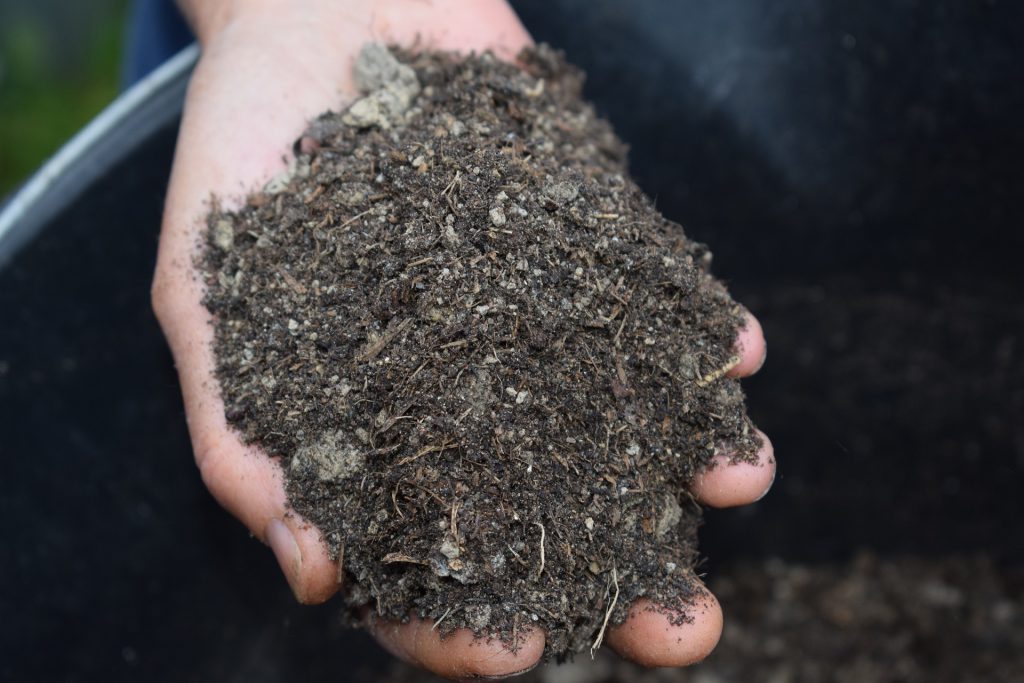
Dogs may avoid your lawn if you switch to organic fertilizer. This is because they are extremely sensitive to organic scents, and a strong organic fertilizer would confuse them. Going organic will provide you a slower release of nutrients, which will keep your grass healthy and robust for longer. Organic food is also less harmful to the environment.
If you want to use organic fertilizer, be sure you get the right type for your lawn and gardening needs. Avoid fertilizers containing fish and bone meal, as well as other animal-based fertilizers, which may be tempting to dogs. Instead, seek plant-based alternatives.

5. Going with the Pros
If you’ve tried several of these methods and are still struggling, it may be time to call in a professional. Lawn care specialists can assess the specific damage, recommend custom solutions, and apply pet-safe treatments that you may not have access to as a consumer. They can also reseed damaged patches, install odor-neutralizing soil conditioners, and guide you toward deterrent strategies tailored to your space.
Hiring a lawn care service might seem like an extra expense, but it can save you time, money, and frustration in the long run — especially if the problem is ongoing or your lawn has sustained significant damage.
Final Thoughts
Protecting your lawn from unwanted dogs doesn’t have to mean building a fortress or using harsh chemicals. With a mix of physical boundaries, scent-based deterrents, and smart planting choices, you can reclaim your yard without harming animals — or your curb appeal.
For lasting results, stay consistent with your chosen methods, monitor trouble spots regularly, and be open to adjusting your strategy as needed. And if you ever feel overwhelmed, know that expert help is just a call away.
Need help restoring your lawn or setting up pet-safe deterrents? Reach out to a local lawn care professional and take the first step toward a cleaner, dog-free garden.
FAQ
The most humane options include motion-activated sprinklers, citrus or vinegar sprays, and soft visual barriers like hedges or signage. These methods discourage dogs without causing them harm.
Yes — especially when combined with other strategies. Dogs dislike strong smells like vinegar, citrus, citronella, and lavender. Regularly applying these scents around your lawn can deter unwanted visits, though reapplication may be needed after rain.
White vinegar, when diluted with water, is generally safe for grass in moderate use. It’s a natural deterrent that dogs dislike. However, excessive spraying in the same area can acidify the soil, so use it sparingly.
Lavender, citronella, and Coleus Canina (the scarecrow plant) are all dog-repelling plants due to their strong scents. These can be integrated into garden beds or borders to discourage dogs from entering or digging.
Yes. Fertilizers that contain bone meal, blood meal, or fish emulsion can attract dogs. To avoid this, use plant-based or vegan organic fertilizers that don’t smell like food to a dog’s sensitive nose.